
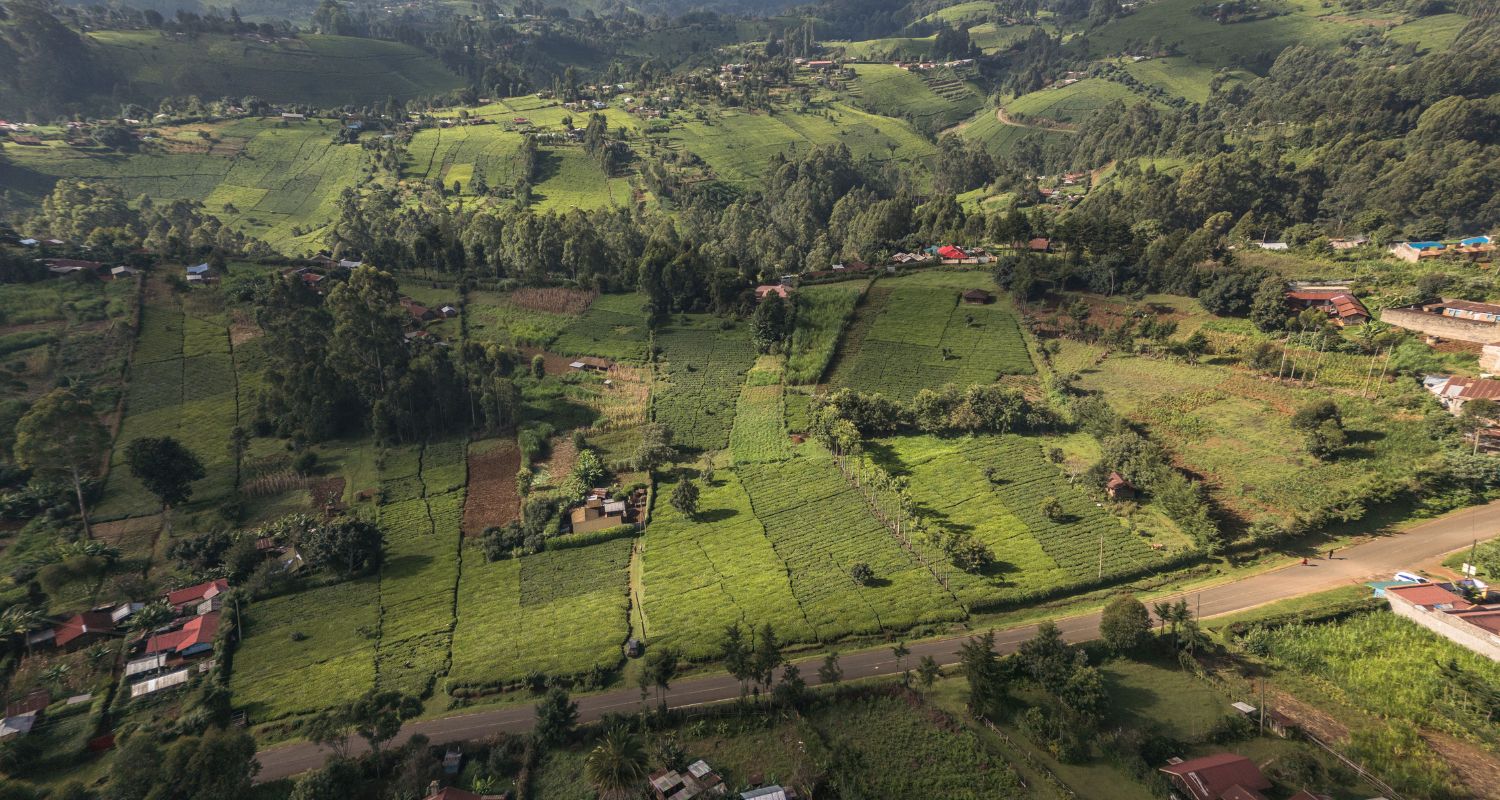
Rather than planting a variety of locally bred, biodiverse seeds, adapted over generations for their environment, UPOV91 can push farmers into relying on industrially produced seeds sold by global corporations.
This can lead to single-crop fields which are typically more vulnerable to disease and climate shocks.
Unlike local varieties, commercial seeds often can’t be saved for the next season – forcing farmers to buy new seeds each year, and prioritising profit over people’s need to eat.
These secretive laws are given teeth by being included in trade deals, which means rich countries can impose sanctions if farmers do not comply.
The UK government can do better
UK trade deals spread damaging UPOV91 seed laws around the world. It's time they were removed from all trade negotiations.
Right now, the UK has 19 trade deals covering 68 countries across the world which force them to introduce seed laws in line with UPOV91.
It's time to stand with farmers and take seed laws out of trade deals.
Read more about UK trade's relationship with UPOV91 here